Not all of it is equal when you put IPL up against laser. The short of it is that for any targeted reduction of hair, laser will be the more exact and effective choice as a rule. IPL has its place for some pigmentation and general skin issues and is cheaper per session, but only insofar as your skin tones and the device allow.
Here is Freya Pembroke with the difference between the two, sans the jargon one finds in clinics. It is a matter of wavelength and precision, of the safety settings and what is being treated, be it blood vessels, overall rejuvenation or simply hair.
One should not think of “better” in absolute terms; it is dictated by the task at hand. An intense pulsed light system may be recommended for diffuse redness or sunspots if you have the right skin tone and are in good hands. But for coarse dark hair, most professional lasers will outperform it. And as current Australian safety guidance from the Therapeutic Goods Administration (TGA) would have it, these are no beauty fluff. They are regulated medical devices. The quality of the device and the operator’s training and screening are of more consequence than any glossy before-and-after pictures.
A Practical Start
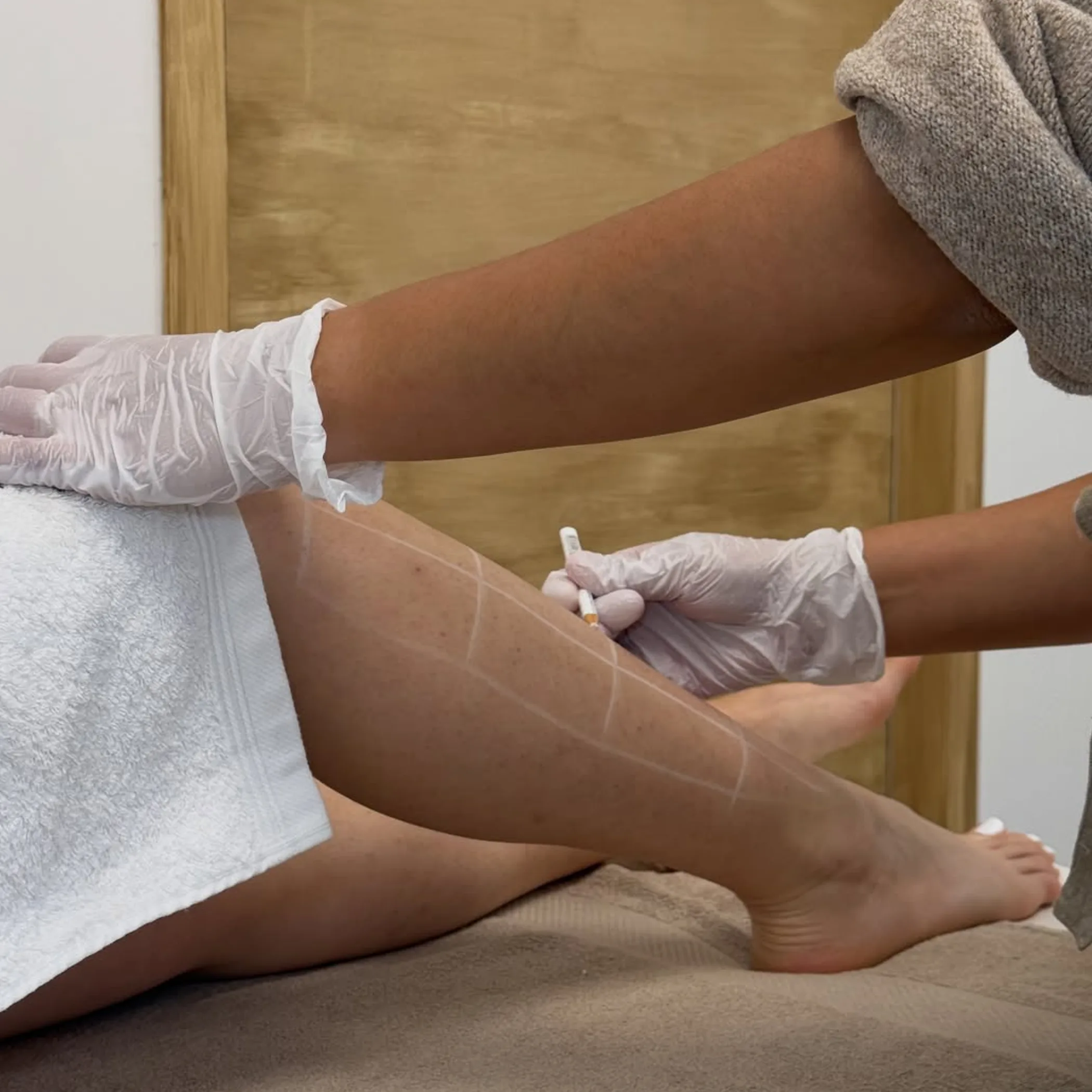
I can relate to being at a reception with a price sheet and waiver in hand, attempting to make sense of an “advanced light-based treatment package”. I have had my share of aftercare questions and know that the confusion is not born of carelessness but because the industry has a way of conflating very different treatments for very different skin.
It is easy to be under the impression that IPL and laser are one and the same since they both go after melanin with light, but then you might as well consider a hatchback and a road train identical because they both get you down the track. In reality they have different risks and strengths and are not suited to the same skin.
What Is IPL
Intense pulsed light, or IPL, is not a laser. Where a laser has a single focused beam, IPL employs a broad spectrum of filtered light to make its mark on chromophores like haemoglobin and melanin, with consequences for various skin tones.
The multiple wavelengths it puts out are useful for covering more ground on things like pigmentation, redness and even some hair, but you are sacrificing the precision of a laser which is no small thing.
Where You Will See Results
You will find IPL used for freckles, superficial pigment, mild photoageing and the odd blood vessel. In a clinic setting the case for IPL over laser for pigmentation is often whether the target is shallow and diffuse or something more intractable.
As for hair, a number of sessions with IPL will see regrowth diminish, provided there is a good contrast of dark hair on lighter skin. The results do not have the consistency of laser on coarse hair though, and with deeper skin tones and higher melanin the risk profile is altered.
What Is Laser
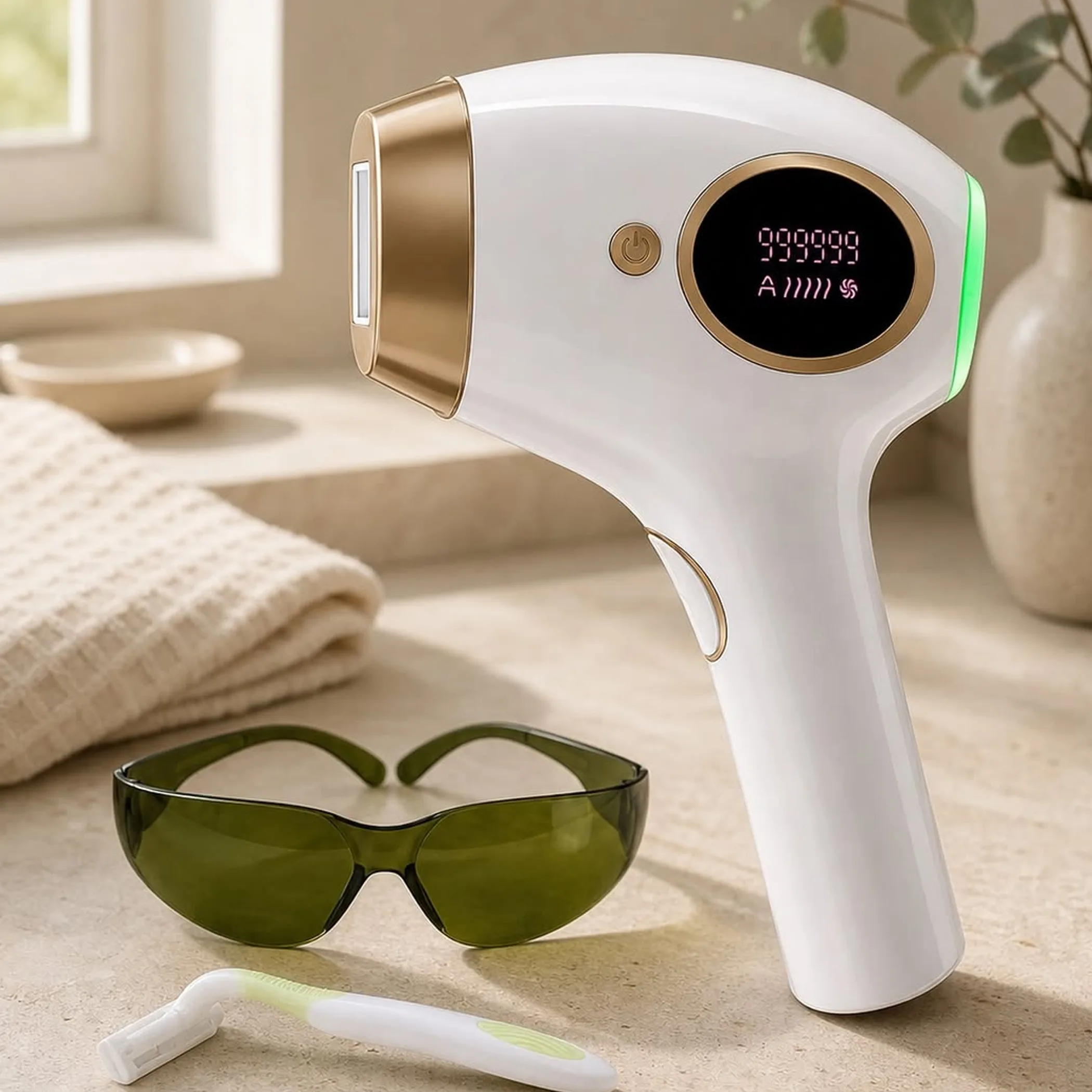
In so many words, a laser is more targeted. It is a specific wavelength of light in a concentrated beam. That is the crux of the matter if you are looking to deal with a lesion or want to reduce hair efficiently.
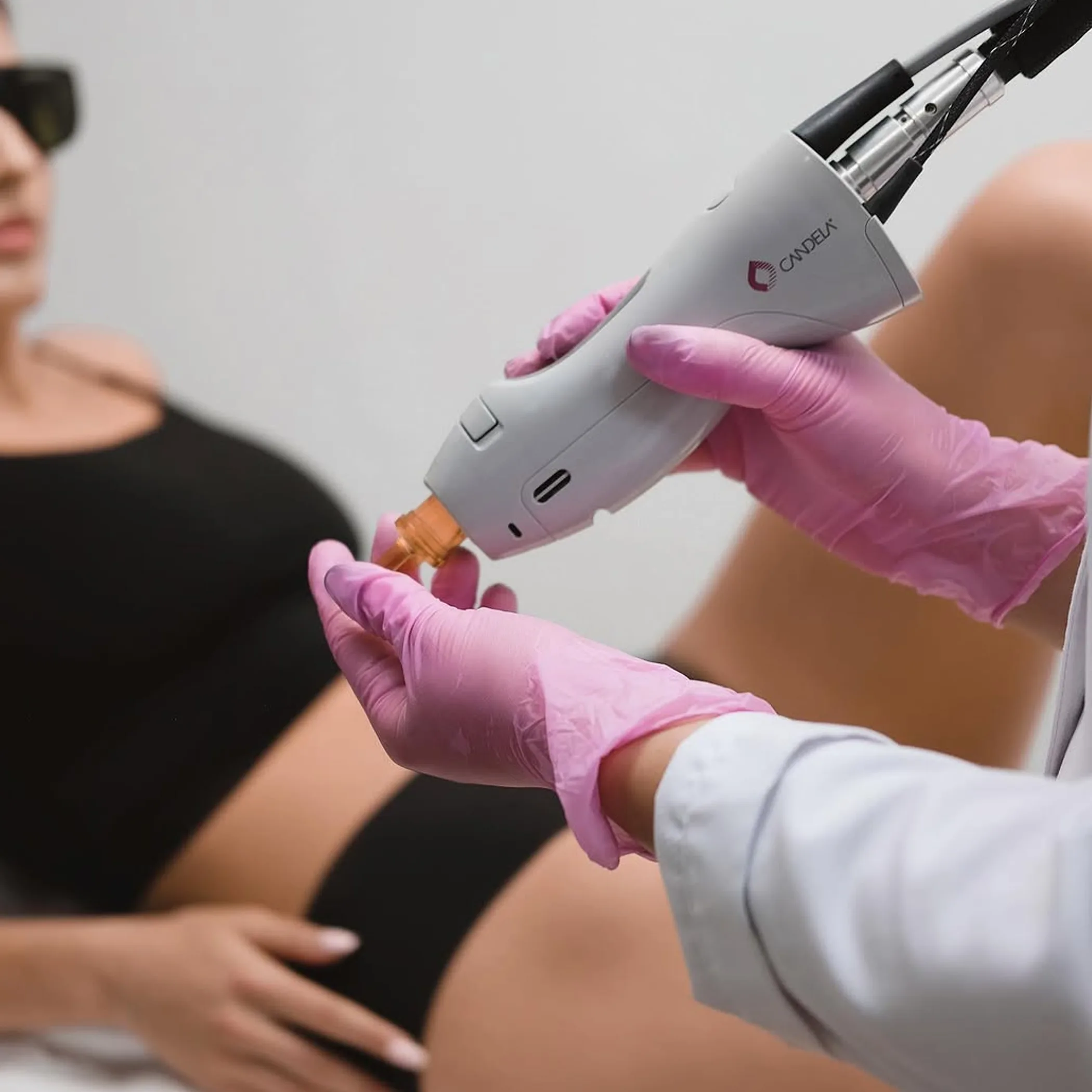
There are different systems for different purposes. You will hear of Alexandrite, diode or Nd:YAG for hair removal as they have their own way of dealing with melanin and depth of penetration, not to mention safety.
On Precision
With its monochromatic nature a laser puts its energy where it wants to with less scatter than intense pulsed light, assuming the machine is set to suit the individual. It is the more efficacious route for permanent hair reduction, if by permanent you mean long term rather than the disappearance of every hair come what may. Maintenance is required in the end, hormones and age and what part of the body we are talking about will have their say.
The Technologies: A Point of Difference
IPL and laser are not the same. In an IPL you have filtered light cast over a wide area; a laser will put a single wavelength to work on the target. The distinction has implications for how much heat is put out, precision, how many sessions one might need and the margin for error with various skin tones.
Do not be among those who think success is a matter of brute strength. It is not. What renders a treatment effective instead of hard on your skin is an energy type suited to the target, the hair colour, depth of pigmentation and your Fitzpatrick profile.
| Feature | IPL | Laser |
| Light Source | Broad spectrum intense pulsed light | Monochromatic laser of a single wavelength |
| Precision | Not as high | Higher |
| Best Known Use | Some hair reduction, redness, broad pigmentation | For targeted pigment or vascular issues and hair reduction |
| Suitability By Skin Type | Melanin being a factor, more limited | Depends on the laser, some are better for deeper skin tones |
| Comfort | A warm snap is how it is usually put | More like the sharp snap of an elastic band |
| Sessions Needed | You will often need more | Fewer in the case of hair reduction |
| At-Home Availability | Widely available | There are lower powered devices but they are limited |
Results and Treatment Goals
When you put aside the question of which is “best” and ask what you actually want to have done, the choice between IPL and laser for skin or hair removal becomes a simple one. Different tools are called for with different skin tones for jobs like redness, texture or hair.
Freya Pembroke has a rule of thumb: go by the target, not the marketing. If a clinic is proffering the same machine for every concern, that is a red flag of sorts, particularly with mixed concerns and skin tones.
Hair Reduction
Where dark and coarse hair is concerned, the laser’s focused wavelength makes short work of follicular melanin on suitable skin tones so it is generally more consistent and efficient. But with grey, white, red or very blonde hair there is not enough melanin to draw in the energy and both IPL and laser will have their difficulties. It is a disappointment one comes across in all skin tones.
Pigment And Sunspots
Here it is a case of whether you are dealing with melasma, post-inflammatory marks, isolated lesions or sun damage from exposure. For photodamage and sunspots IPL can be of assistance; for more exacting pigment work a laser may be the preference of diagnosis and skin tone. One should be wary with melasma, as heat will make it worse and not all pigment issues are to be blasted with light. A consultation is advisable, for higher melanin activity in particular.
Texture And Redness
Diffuse redness and the odd superficial vessel can be put right with IPL, though other lasers might be employed for vascular work of a more targeted nature. As for improving the appearance of photodamaged skin, IPL will do that in selected skin tones if the aim is mild resurfacing. People are mistaken to think they can get dramatic results from IPL alone; any real change in texture or scarring from acne is going to require something else altogether.
On Safety And Risks
It is not merely the machine that determines safety. Diagnosis, patch testing, eye protection, operator skill, any medication you are on, recent time in the sun or fake tan, active conditions – these are part of it. Any provider worth his salt will want to put some questions to you before the credit card comes out.
The TGA requires medical devices in Australia to be up to regulation but that does not make them automatically suitable. Put a registered device in the wrong hands and you can have burns, blistering and poor healing on a vulnerable skin tone.
Side Effects
Expect some warmth, swelling about the follicles, redness or a little discomfort and perhaps some temporary darkening. More serious matters would be infection, crusting, burns or post-inflammatory hyperpigmentation, where some skin tones call for greater caution.
Then there is the risk profile if you have been in the sun of late or are on strong retinoids or photosensitising drugs. For some skin tones an “I will just pop in at lunch” approach is unwise.
The Dermatologist’s View
You will find a uniformity of opinion in specialist practices and dermatology clinics: provided the indication, history and skin type are taken into account, either is fine. To ask if dermatologists approve of IPL is too sweeping a question. Many do, but not for every problem or skin tone.
One will find that the likes of HSSkin, K2Derm, RoseMedAesthetics and Michigan Oculofacial Specialists, to name a few from the search results along with Ironwood Dermatology, put forward a common practicality: you have to be choosy in your candidates. It is not the most glamorous of counsel but for actual skin tones it is what is useful.
Money, Sessions And Recovery
The IPL versus laser cost is the first thing on many minds. Do not be beguiled by the price of a session however. A laser can put more of a dent in the wallet per visit and still require fewer to get hair reduced. With IPL the initial quote seems less, only to mount up when top-ups or a mixed protocol is called for to accommodate the skin tone.
Both have a low downtime of sorts, though “low” is not an empty term. For those whose skin is inclined to pigment change, timing is of some consequence if one has to contend with Brisbane humidity and school pick-ups or is an outdoorsman who puts in hard exercise.
| Factor | IPL | Laser |
| Typical Upfront Cost Per Session | Usually lower | On the higher side |
| Total Cost Over A Full Course | May add up should extra sessions be in order | Could even out if the results are quicker |
| Hair Removal Sessions | In the region of 6 to 12 or more, area permitting | More like 6 to 10, subject to the hair cycle and area |
| Downtime | Some mild redness or darkening of spots | Mild redness and perifollicular swelling |
There is no Australian fee schedule I can put my hand on as clinics make their own rates. What one does in practice is look at the package for the whole course rather than the first session. Put to them how they deal with patchy results, if there are review appointments, and what is different for varying skin tones.
What Suits Different Complexions
In any comparison of IPL and laser, skin tone is paramount. The greater the melanin in the surrounding skin the more circumspect the selection and adjustment of an energy-based treatment must be. Fitzpatrick skin types have their utility here notwithstanding the fact the chart is not infallible for all.
You will have the easiest time with both IPL and a good many lasers on fairer skin and darker hair. Deeper skin tones call for a degree of caution; use the wrong device and the epidermal melanin will take in the light, inviting a burn or pigment change.
Fair To Medium Skin
Good contrast in the hair and several systems, IPL or otherwise, will do fine on a fair to medium complexion. There is a wider array of options for these skin tones, although it is not a case of every machine being right for everyone.
Olive To Deep Skin
With olive, brown or deep skin one wants a provider to be conservative with a device made for the purpose. An Nd:YAG type laser with its longer wavelength is frequently the preferred option to IPL for a darker tone as it sidesteps the melanin in the epidermis.
Bargain hunting is liable to go sour in this instance. When a clinic is flat out with bookings and rushes a consult, the safety of an IPL vs laser procedure is no longer just for conversation if a patient with deeper skin is put on a one-size-fits-all setting.
Home Gadgets Versus Clinics
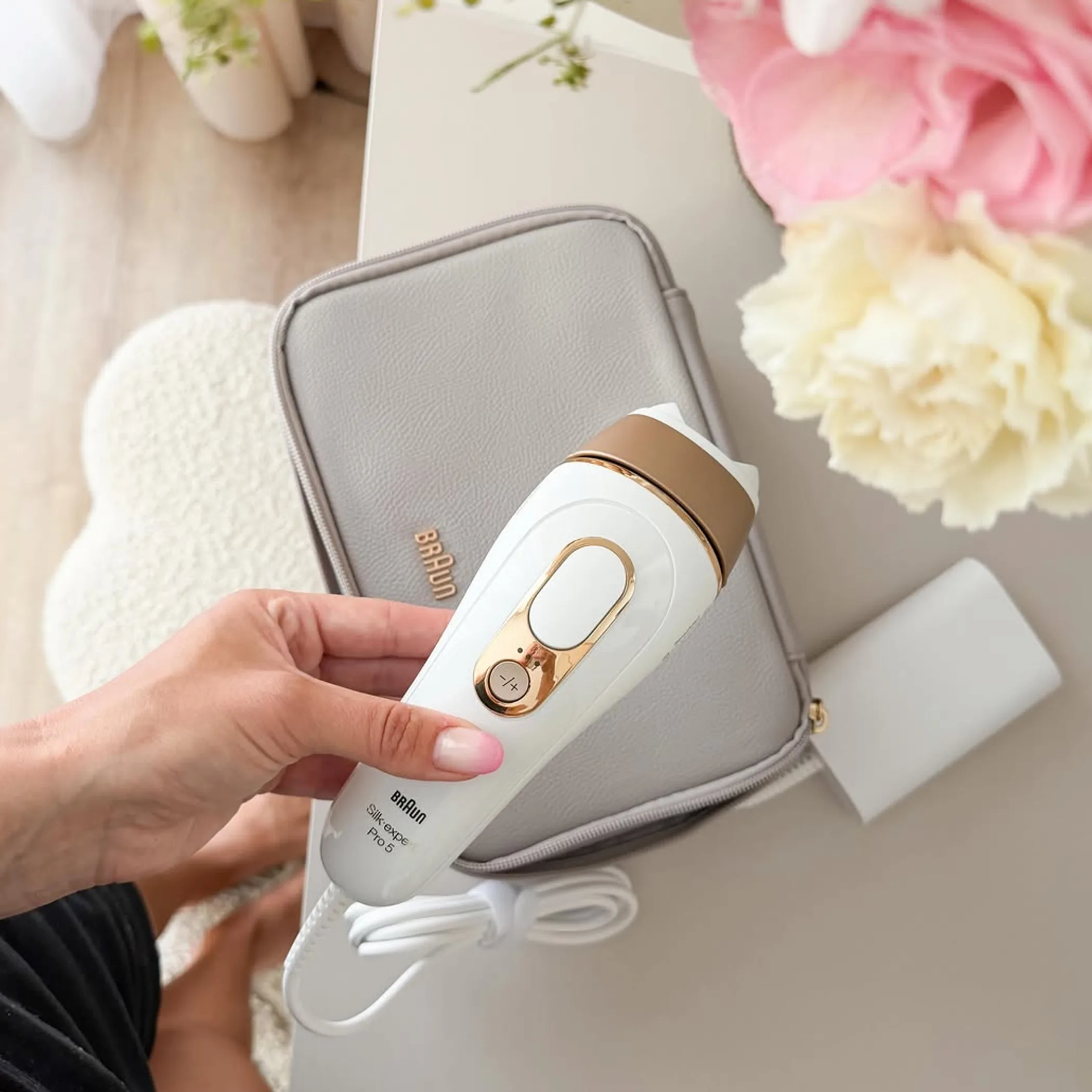
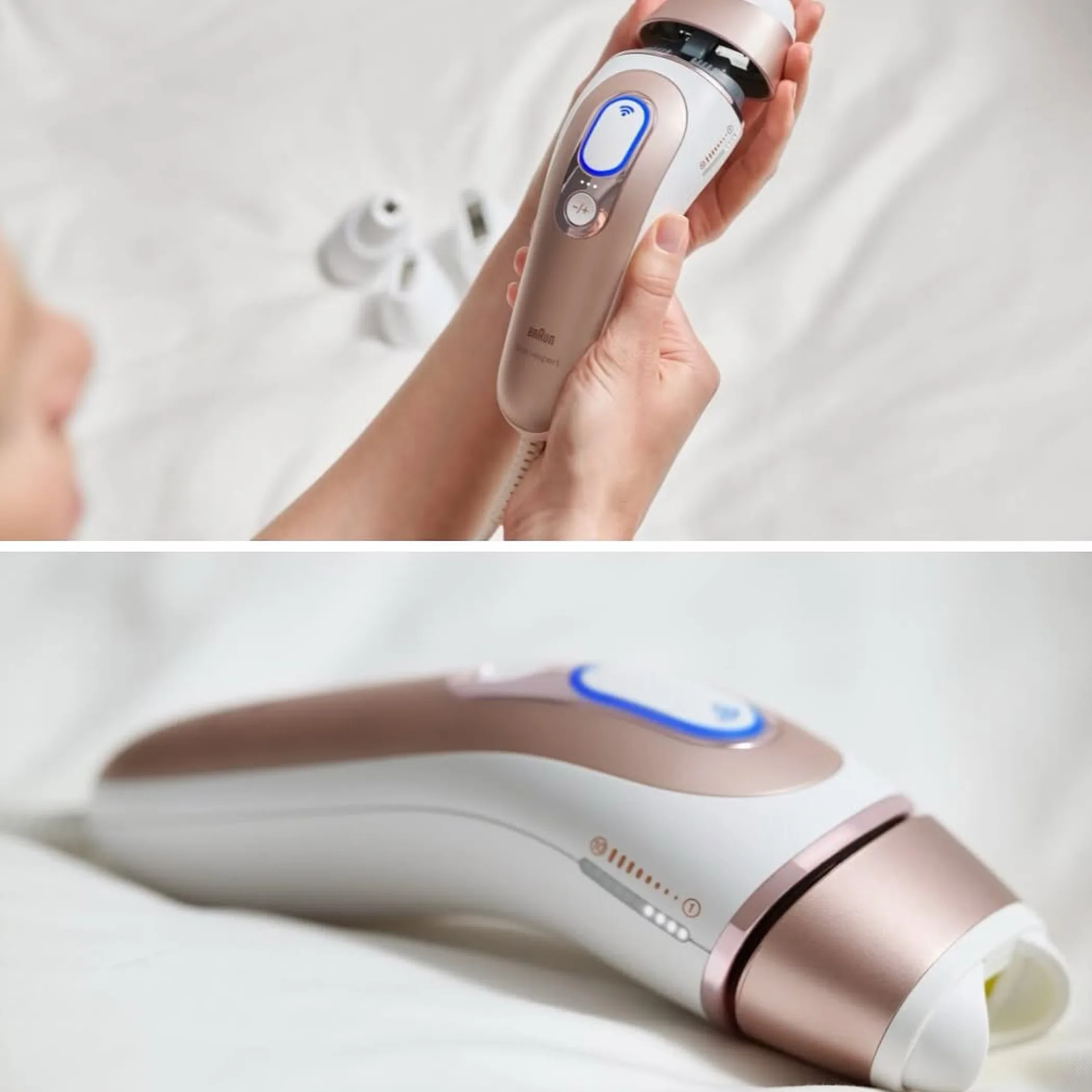
As for doing it at home with a laser or IPL, the answer is unglamorous: a home device is of service for maintenance and some reduction but is of lesser power and pace. They are for the user with realistic expectations and patience, not for anyone after a quick, dramatic result over a large area or with mixed skin tones.
Consumers will talk up the Tria 4X or something from Braun and there is no shortage of stories on Reddit (r/HairRemoval). Such anecdotes are a help in forming an idea of what to expect but they cannot stand in for a proper assessment of suitability once pigmentation history and medications are factored in.
Common Missteps in the Home
Inconsistency is the error of most people. Then there is the matter of putting an at-home device to work on skin that is irritated or has been faked up with tan, or in spots the maker would have you steer clear of. And third, one sees folks in the lounge room with the telly on and the instructions for their particular skin tone be damned, yet they are after the kind of hair reduction you would get in a clinic.
When a sale is about to run out and you have a day to make up your mind, put safety before any discount. Make sure the device is a genuine home laser and not just IPL, see if your hair and skin tones are fit for it, and peruse the contraindications.
Making a Good Choice
There is no call to be a physicist to find a sound treatment, but one should put some edge to the questions being asked. A consultation ought to be boring in a good way: medical history, how much sun you have had, patch testing, what can be realistically achieved and the aftercare required of your skin tones.
I would be cautious of a provider who holds out the same result in the same number of sessions to all comers. Skin tones, pigmentation, hormones and hair cycles are not uniform.
Find out what device will be employed and the reason it is right for your concern and skin.
Get a sense of the likely side effects for your Fitzpatrick profile, how many sessions you can expect and the cost in AUD.
Inquire as to what must be put off in the lead up to and following the procedure, be it the gym, active skincare, fake tan or the sun.
And do not be content with before-and-afters from the same part of the body on a different skin tone; ask for examples of concerns like yours.
The Bottom Line
Laser tends to be the better option for those wanting to reduce hair efficiently. For a suitable candidate with redness or pigment to treat, IPL is reasonable enough. But between IPL and Laser the winner is not the machine with the most flash. It is the one that is in keeping with your risk profile, budget, skin tones and what you actually need.
Freya Pembroke would have you not go by the book of an influencer or the latest trend or an introductory offer. Let the diagnosis and the operator’s skill and the type of device be your guide. See if the plan is sensible for your skin tones six weeks hence and not merely after you have been reading a promo page for five minutes.
FAQ
IPL or laser, which is preferable?
Laser for hair reduction as a rule, being more effective and precise in fewer sittings. With diffuse sunspots or mild photodamage, IPL has its uses in certain cases and skin tones.
Are dermatologists in favour of IPL?
Many will use or put in a word for it where it is called for, though they do not see it as fitting every situation. It comes down to the diagnosis, the provider’s training, the device and whether it is right for your skin.
Is one or the other safer?
You cannot say either is safer across the board. It is a question of applying the technology to the patient with the right settings and aftercare, screening for contraindications and so on, particularly with varying skin tones.
What are the drawbacks of IPL?
Not as precise, and you may get variable results when removing hair. If the target is not well selected there is a chance of an irritating or ineffectual treatment. Deeper skin tones are also less amenable to it since the melanin around about will take in more of the light.
Is the at-home version of IPL worth the trouble?
If you have the hair and skin tones for it and can be consistent over months for some gradual upkeep, then yes. Not so much if you are looking for a quick fix or have complex pigmentation or require a medical or cosmetic risk assessment.
